


featured
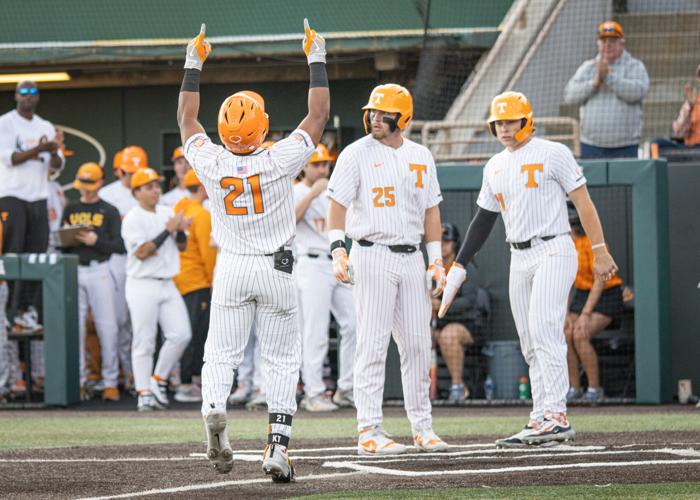
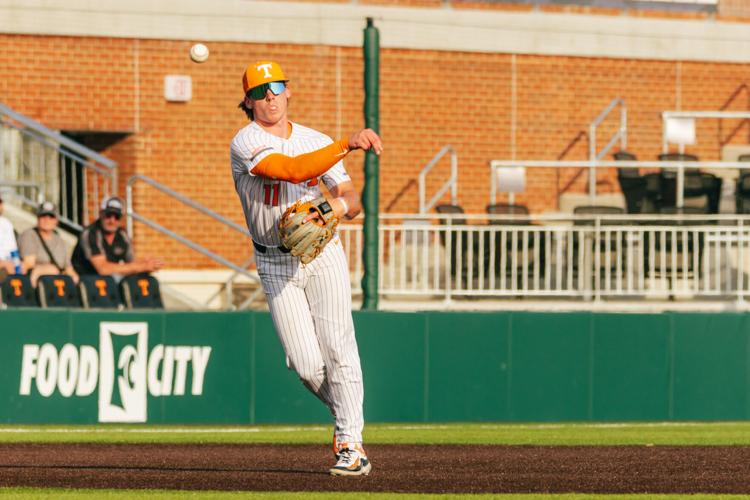
Tennessee baseball returned to Lindsey Nelson Stadium on Tuesday night to kick off a five game homestand with a matchup against Western Carolina.

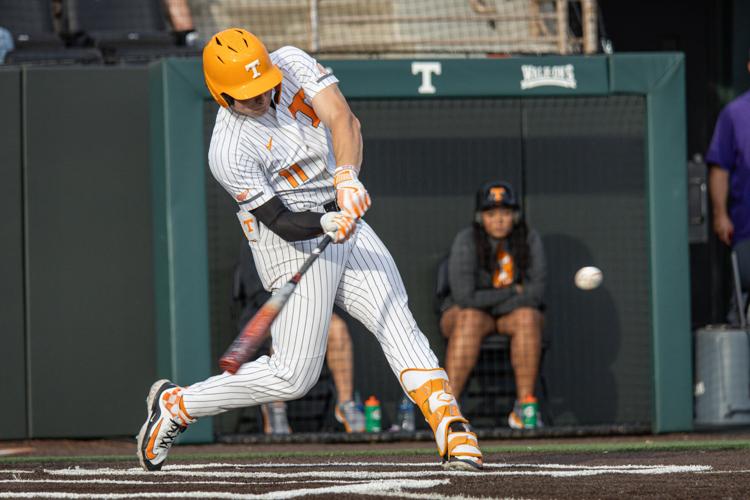
Tennessee baseball returned to Lindsey Nelson Stadium on Tuesday night to kick off a five game homestand with a matchup against Western Carolina.
Tennessee baseball returned to Lindsey Nelson Stadium on Tuesday night to kick off a five game homestand with a matchup against Western Carolina.

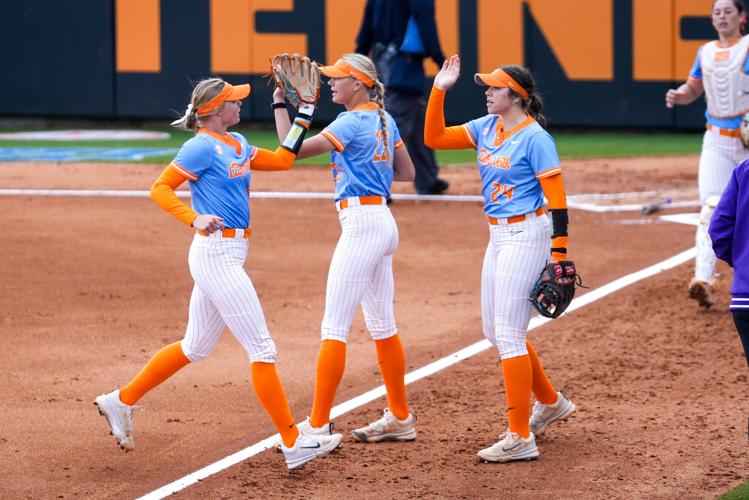
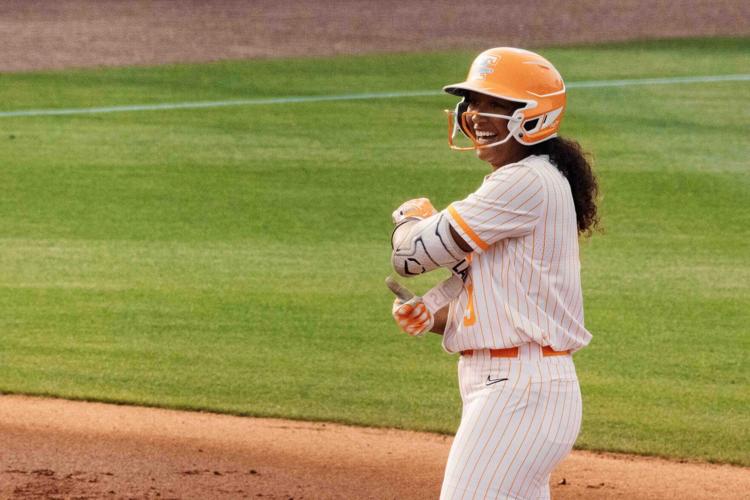
Sherri Parker Lee Stadium hosted its first midweek game of the season on Tuesday, featuring the Lady Vols hosting the Belmont Bruins. Tennesse…

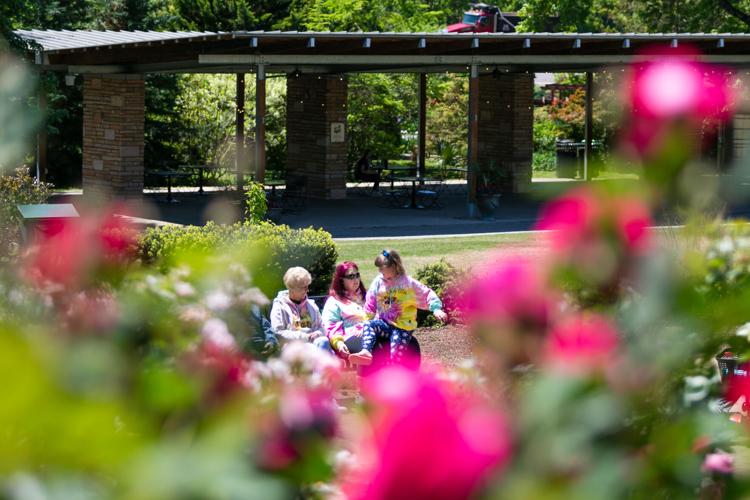
UT’s agriculture campus has been home to one of three sites for Tennessee’s official state botanical gardens since 2013 — over 10 years. Thoug…

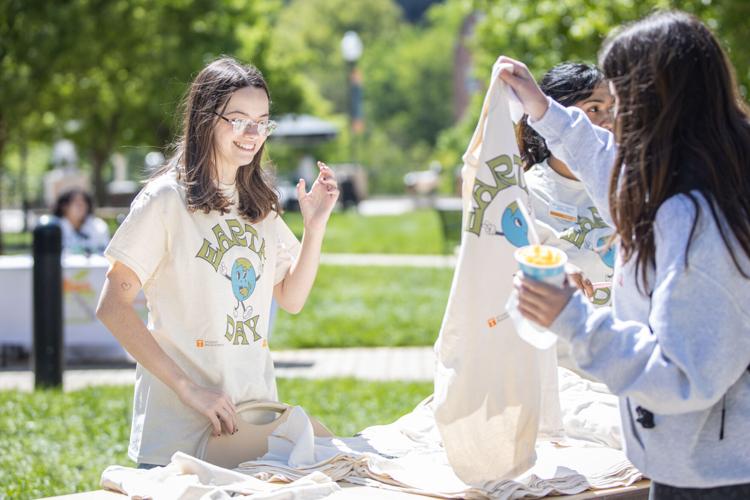
On Monday, April 22 from 11 a.m. to 2 p.m. the Center for Student Engagement and Campus Events Board hosted an Earth Day celebration in the 21…

In the last few weeks, I was assigned a speech in one of my classes that required me to choose a topic, research it and present my findings to…

Christian Moore can’t remember the last time he hit three home runs in a game. Definitely not high school, so it must’ve been Little League, he concluded.

Nashville-based comedian Danae Hays will perform at the Bijou Theatre on Saturday, April 27. Doors open at 7 p.m. and the show begins at 8 p.m.

UT student organization Sexual Empowerment and Awareness at Tennessee hosted a drag show in the Alumni Memorial Building on Friday, concluding their annual Sex Week events.
Join Anna Grace as she highlights what it is like to be apart of UT's bass fishing team. Lea…