
Featured

Emotions ran high for the No. 16 Lady Vols and No. 1 Oklahoma State at Greenwood Tennis Center — the Sweet 16 match boiled down to two final courts to decide a spot in the elite eight.







Latest Stories

Emotions ran high for the No. 16 Lady Vols and No. 1 Oklahoma State at Greenwood Tennis Center — the Sweet 16 match boiled down to two final c…

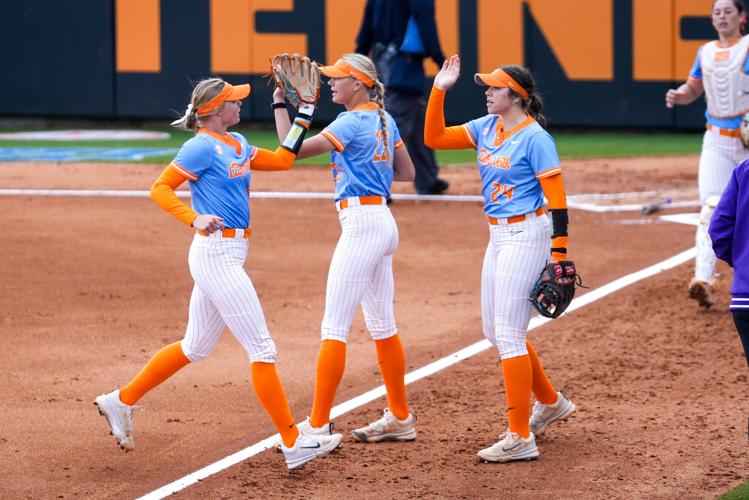
After losing in the SEC Tournament to LSU, Tennessee softball felt bitter. It felt the bitterness of elimination and the pain of knowing that …

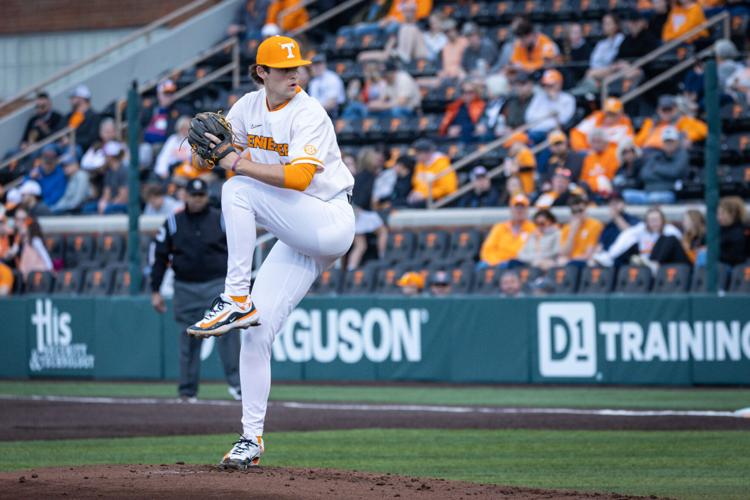
It was a top-25 matchup in a warm and crowded Lindsey Nelson Stadium on Thursday night.

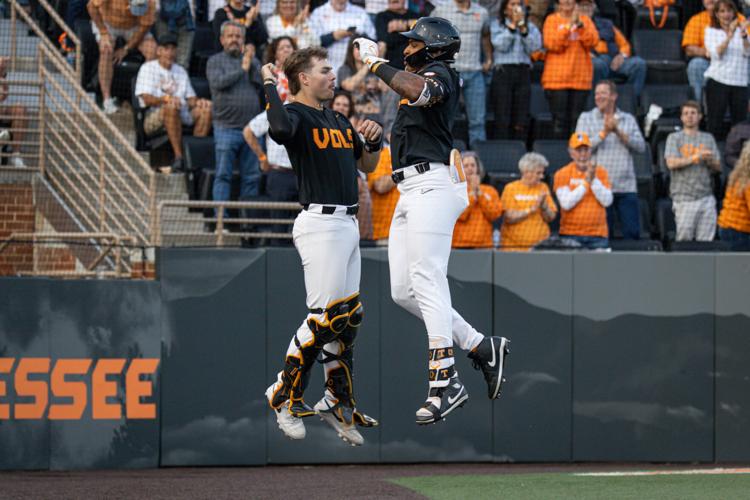
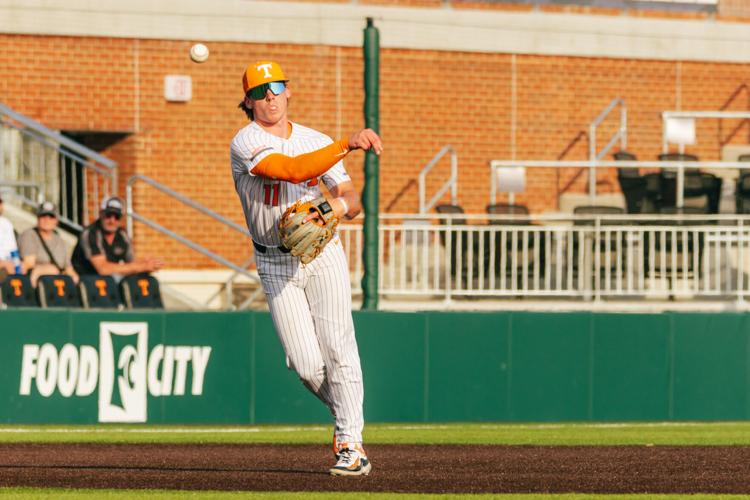
Christian Moore is the new Tennessee baseball single-season home run king.

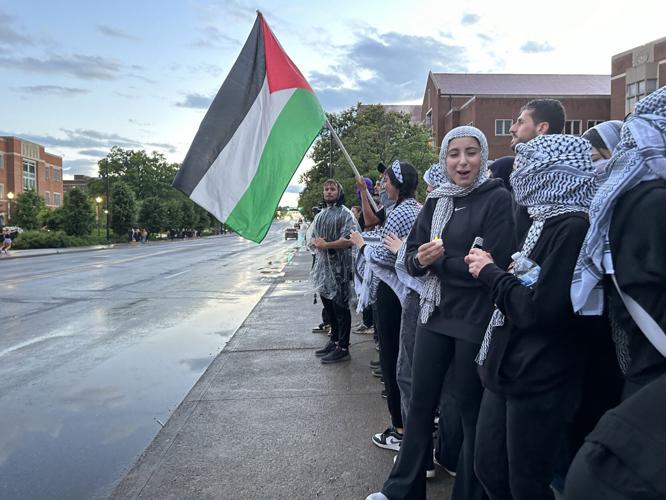
On May 15, eleven pro-Palestine demonstrators were arrested on trespassing accounts outside the UT College of Law. Three of those are confirme…
Most Popular

When Ryleigh White got injured early in conference play, Karen Weekly was in a jam.

The last weekend of the regular season has arrived in college baseball.

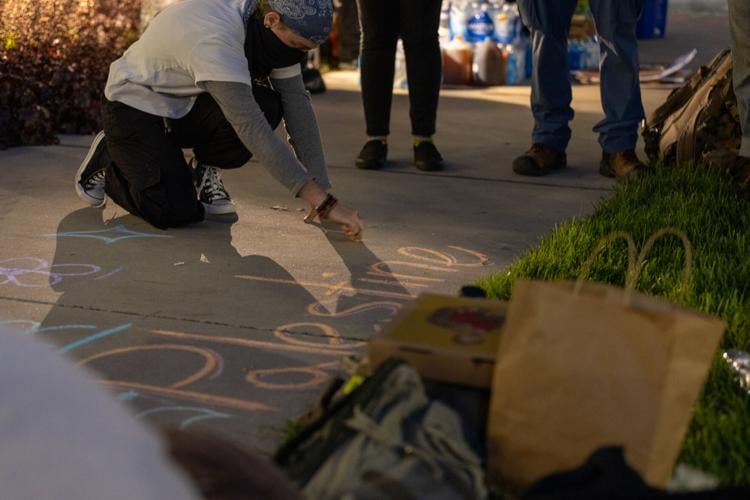
Eleven pro-Palestine demonstrators were arrested outside the University of Tennessee College of Law for trespassing at about 8 p.m. on Wednesday.





- 3 pro-Palestine demonstrating arrestees confirmed to be University of Tennessee students, 11 arrested in total
- 11 pro-Palestine demonstrators arrested outside of University of Tennessee College of Law
- High school COVID-19 class embraces a second chance graduation from the University of Tennessee
- Order of the Engineer commencement ceremony to link engineering students for life
- University of Tennessee posts new information, uses blue light system to make announcements to pro-Palestine demonstrators

- 3 pro-Palestine demonstrating arrestees confirmed to be University of Tennessee students, 11 arrested in total
- 11 pro-Palestine demonstrators arrested outside of University of Tennessee College of Law
- 8 places you can find UT students studying abroad this summer
- Where to volunteer, give back in Knoxville this summer
- Behind the camera: A look at graduation photo pricing from a photographer’s lens
- Win over Oklahoma State 'extra confirmation' of ceiling for Lady Vols tennis
- Tennessee softball prepares for matchup with Dayton to start NCAA Tournament
- Tennessee baseball powers through South Carolina in Christian Moore’s record-breaking day
- Christian Moore breaks Tennessee baseball single-season home run record
- How Avery Flatford manages cystic fibrosis while playing for Tennessee softball

- Letter from the Upcoming Managing Editor: A new name of the game
- Letter from the Editor: Forever indebted to the Beacon
- Letter from the Upcoming Editor: Anticipating anticipation
- Opinion: The illusion and hidden possibility of a 5-year plan
- Opinion: A professor’s influence can be the difference between passing and failing


