







featured editor's pick
In the midst of the anticipation of Taylor Swift’s new album, “The Tortured Poets Department,” UT is offering a new class this fall that will …

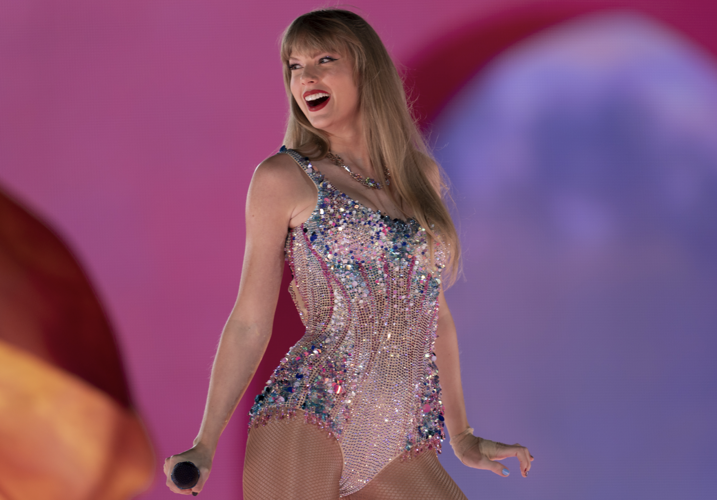
In the midst of the anticipation of Taylor Swift’s new album, “The Tortured Poets Department,” UT is offering a new class this fall that will study the social, economic and cultural impacts that Taylor Swift has had on the media and film industry.
In the midst of the anticipation of Taylor Swift’s new album, “The Tortured Poets Department,” UT is offering a new class this fall that will …
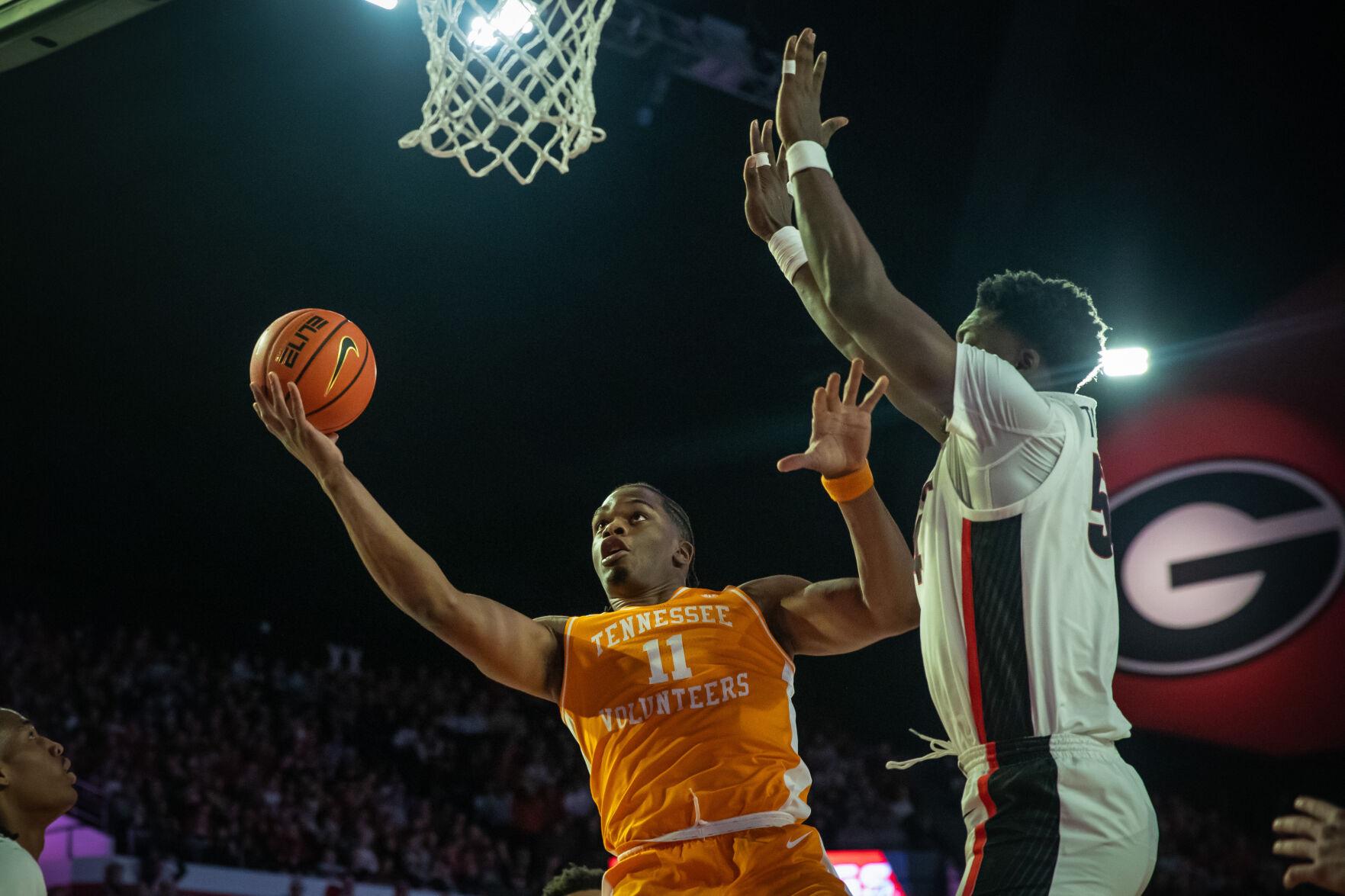
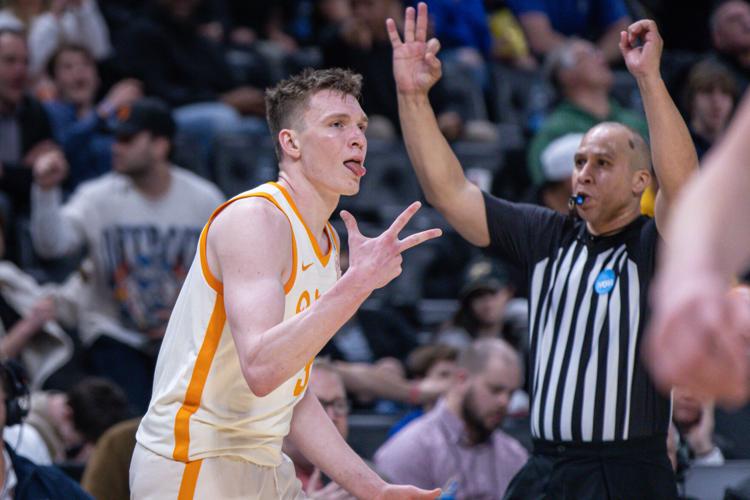
Rick Barnes is not ruling out the return of Tobe Awaka, the Tennessee basketball head coach said on Thursday.

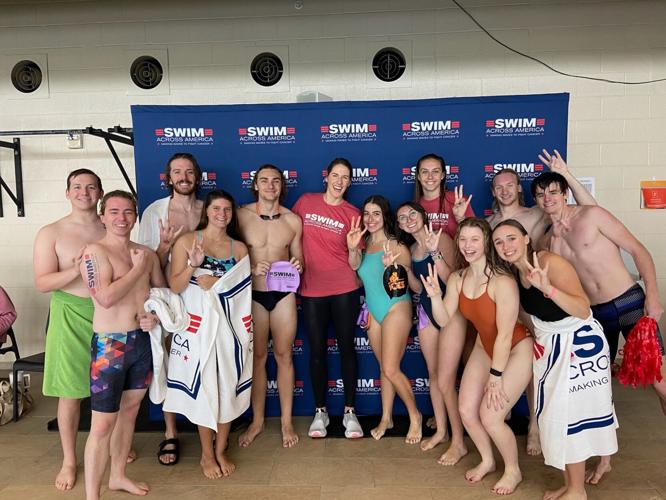
The Vols Swim Club will be joining the Swim Across America-Nashville organization on April 21 for a relay event. This will be SAA’s third year…

Tennessee softball wasn’t prepared for Friday’s game against Mississippi State. Even though the Lady Vols won the series, the 9-1, run-rule lo…

As of 2024, Special Spaces Knoxville is celebrating its 20th anniversary of creating bedrooms for children who have been diagnosed with cancer…

“One that beareth a torch shadoweth oneself to give light to others.” These words from the University of Tennessee Volunteer Creed act as the backbone to the Volunteer…

Sixteen years ago, Jill Coffey Kelley, a UT alumna from the class of 2007, and her husband had just recently moved in together when it seemed like everywhere her husba…

“Kinky Boots,” the final play of the 2023-24 Clarence Brown Theatre season, opens today, Wednesday, April 17, at 7:30 p.m.
Tennessee football went through its Orange and White game on Saturday, marking the end of sp…