
Featured
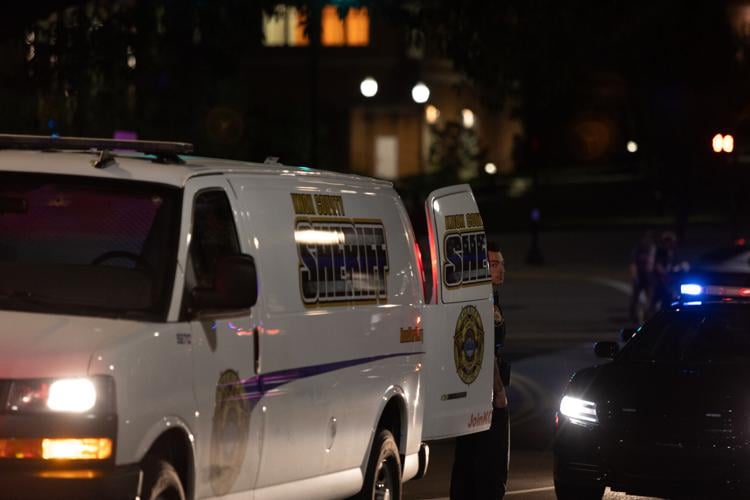
Demonstrators gathered in front of the Tennessee College of Law were told to disperse within 15 minutes or they would be arrested by the UT Police Department at 12:10 a.m. on Thursday morning. Shortly after at approximately 12:52 a.m, police donning riot gear showed up from both UTPD and the…


Latest Stories

Demonstrators gathered in front of the Tennessee College of Law were told to disperse within 15 minutes or they would be arrested by the UT Po…

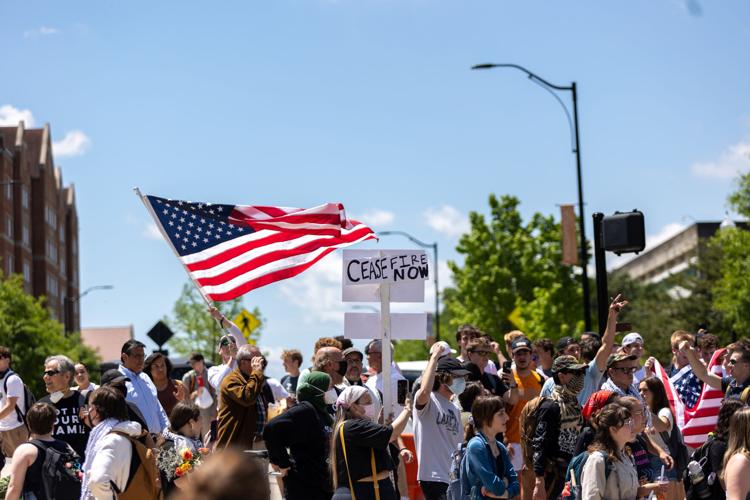
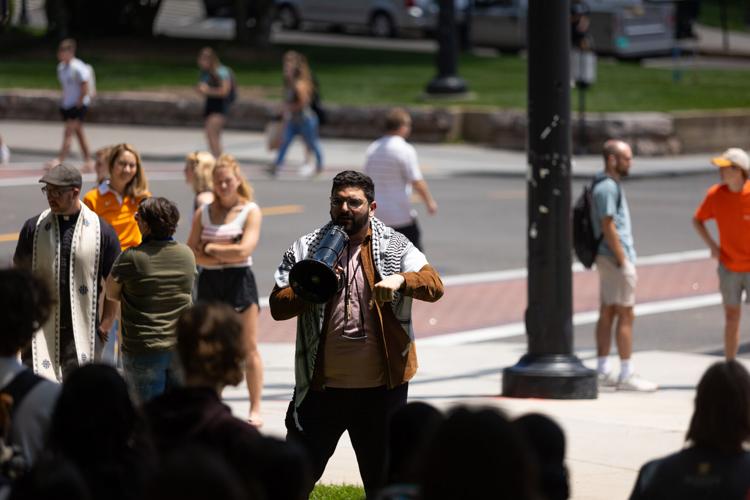
On Wednesday at noon, Students for Justice in Palestine gathered on the Humanities and Social Sciences lawn for a vigil in support of Palestin…

A group of students and community members in support of Palestine has gathered outside of the UT College of Law with plans to stay in the area.

The states of Florida, New York and the District of Columbia have joined Tennessee and Virginia as plaintiffs in the antitrust suit regarding …

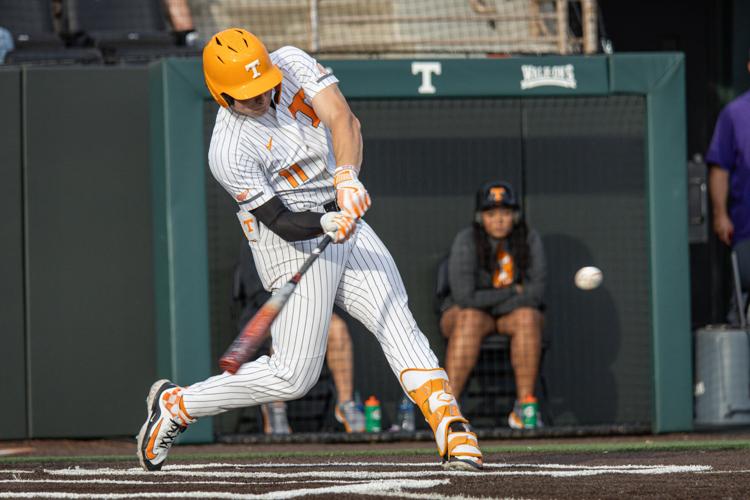
It wasn't a typical midweek game for Tennessee baseball.
Most Popular

The end of the spring semester is just a couple of weeks away, which means that finals are coming up soon. It is normal to feel more stress because of testing, and it …

As the semester winds down and finals rapidly approach, finding the perfect spot to study can make all the difference in your academic success and overall university e…

We cannot continue to believe the old lie that workers organizing for their rights and protections is against our own interests.




- Police arrive to Tennessee College of Law lawn, protestors in support of Palestine disperse
- Recapping Wednesday’s protests in support of Palestine on the University of Tennessee’s campus
- UT students in support of Palestine gather outside of College of Law
- Bella Hughes selected as 2024-25 Editor-in-Chief
- Internationally recognized scholar gives disability law presentation
- Recapping Wednesday’s protests in support of Palestine on the University of Tennessee’s campus
- UT students in support of Palestine gather outside of College of Law
- McClung Museum hosts ‘Unwind at the Museum’ events to help students relieve stress
- 7 study spots to consider as finals season approaches
- Crafty Bastard Brewery vintage market spotlights local business owners, sustainable fashion
Sports
- States of Florida, New York, District of Columbia join Tennessee's antitrust suit against NCAA
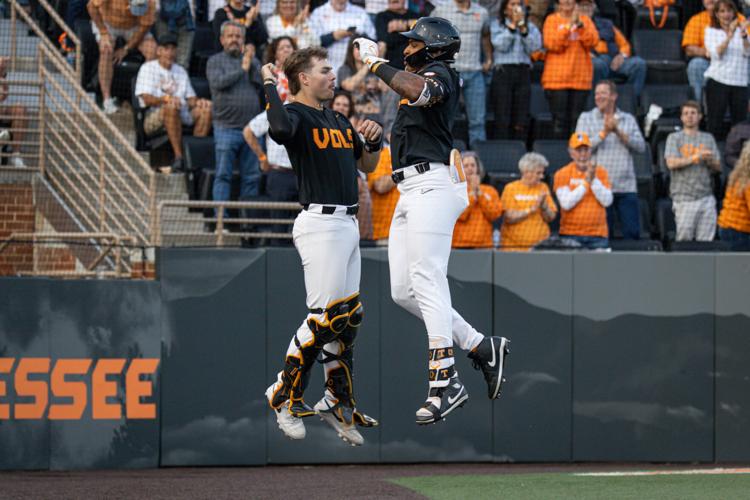
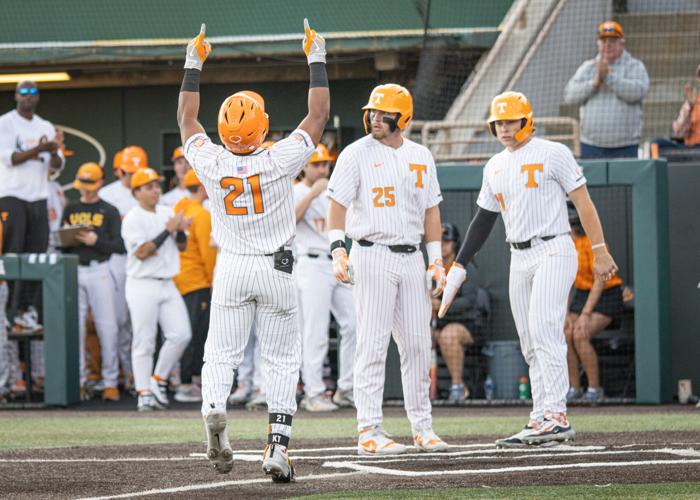
- Tennessee baseball falls flat in midweek matchup with Lipscomb
- Vols in the minors: Jordan Beck called up to Colorado Rockies
- Tennessee men’s, women’s tennis to host NCAA Regionals
- Where former Vols landed following the 2024 NFL Draft
- East Tennessee Maverick: Union win in Chattanooga reinvigorates Southern labor movement
- East Tennessee Maverick: Why the U.S. should care about the Myanmar Civil War
- Greener Shade of Orange: We are responsible for how green our campus is
- Letter from the Editor: Love your local green spaces
- Between Bookends: Sylvia Beach's journey to literary immortality


