




featured editor's pick
At the end of every semester, registration for the next semester’s classes opens, and some issues are always encountered. Some students realiz…

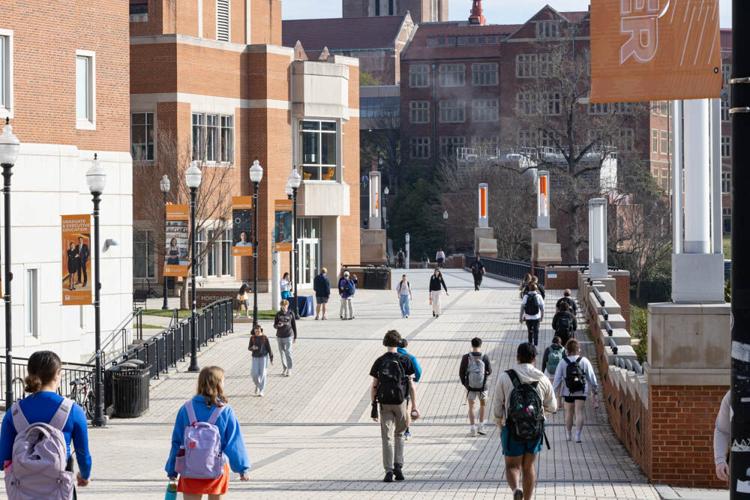
At the end of every semester, registration for the next semester’s classes opens, and some issues are always encountered. Some students realize that a class they need will not be available, and some are waitlisted for other classes.
At the end of every semester, registration for the next semester’s classes opens, and some issues are always encountered. Some students realiz…

As this semester comes to an end, I am struggling to come to terms with the fact that I am officially halfway through my college experience. C…

Mother's Day is coming up soon on Sunday, May 12. Unfortunately, this holiday is right in between finals for students at UT, which means that …

I’m convinced Ryan Gosling can do just about anything.

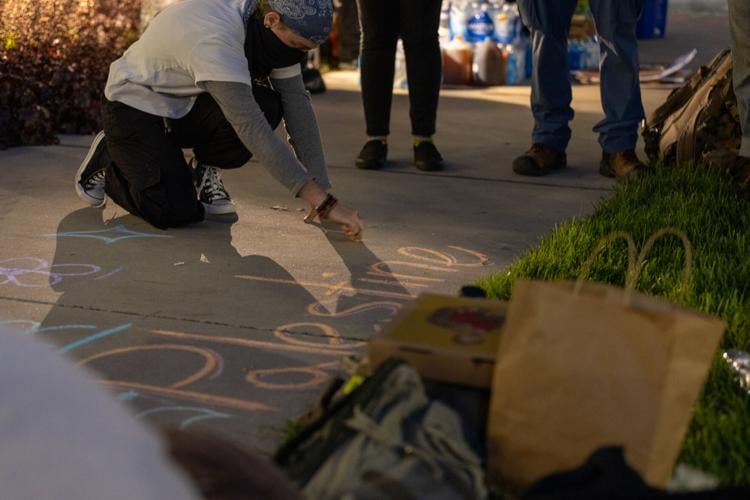
Demonstrators in support of Palestine are approaching Day 6 of gathering on the University of Tennessee campus.

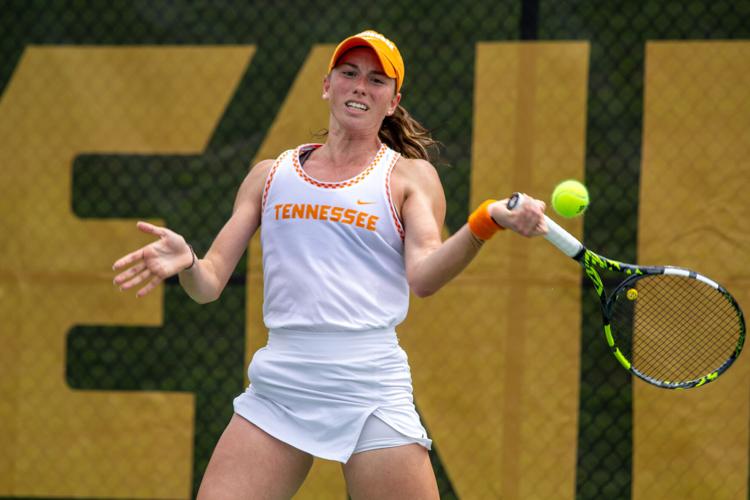
Lady Vols tennis dominated for the second straight round, defeating Duke, 4-0, to advance to the Super Regional round of the NCAA Tournament.
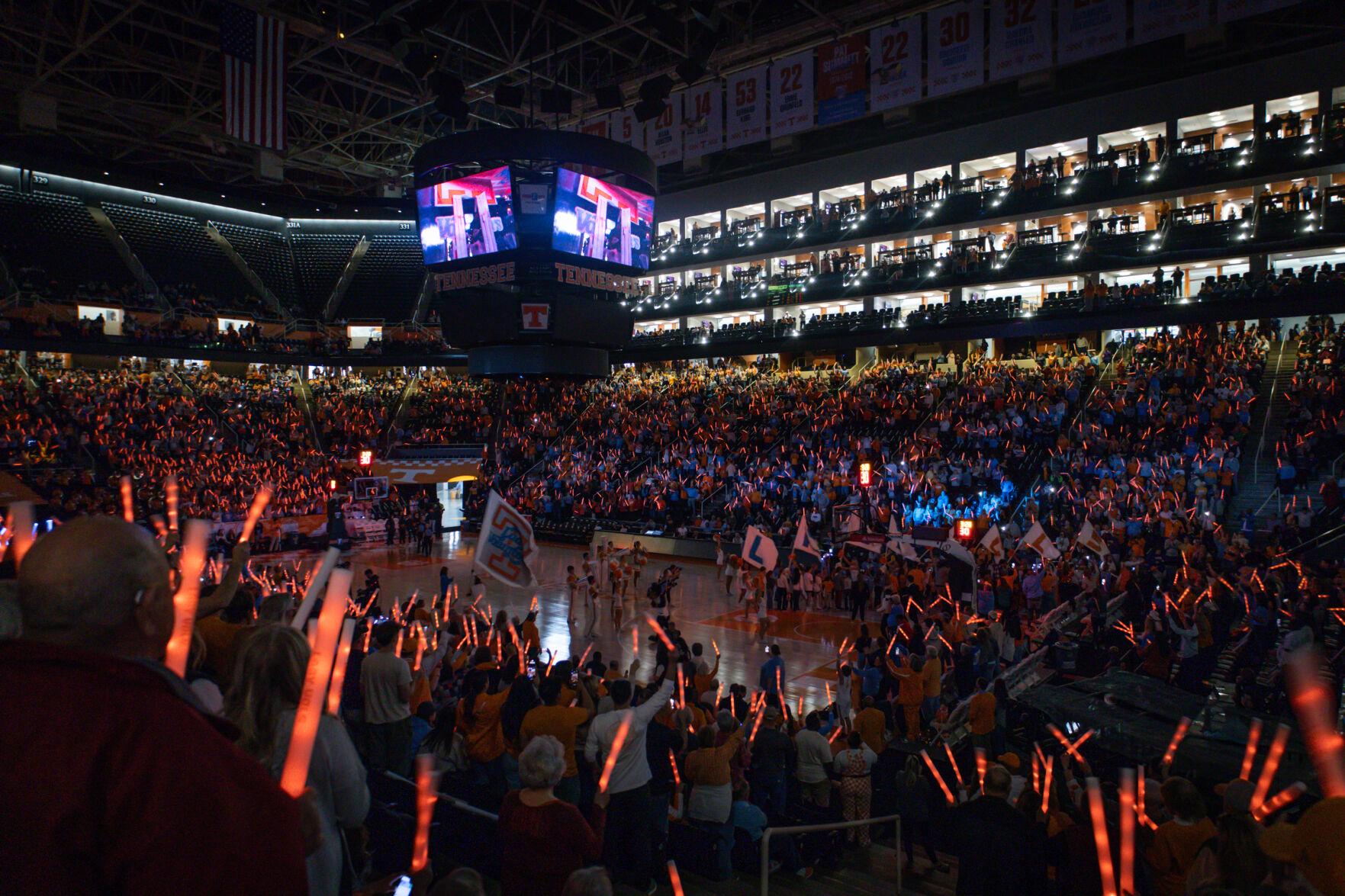
With new head coach Kim Caldwell taking over for Lady Vols basketball, the team has been active in the transfer portal so far.

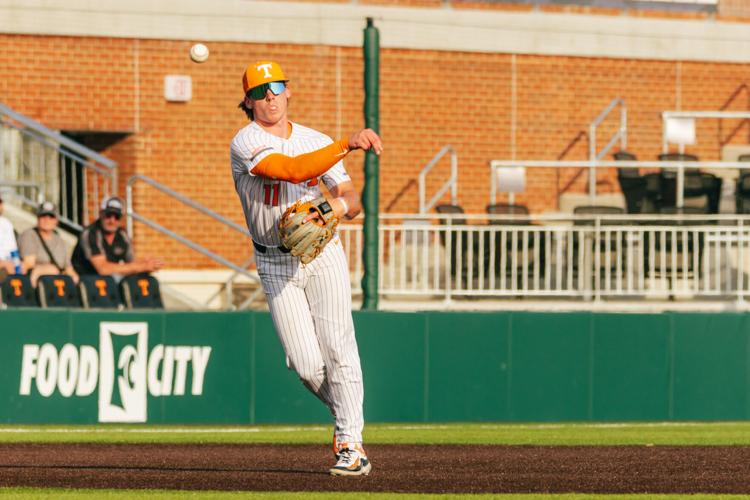
Tennessee baseball didn't have its best start against Florida on Saturday in the rubber match, but a huge sixth inning pushed the Vols to a series victory.
Join @sophiashoenfeld as she highlights the colorful sport of paintball from @UniversityTenn…